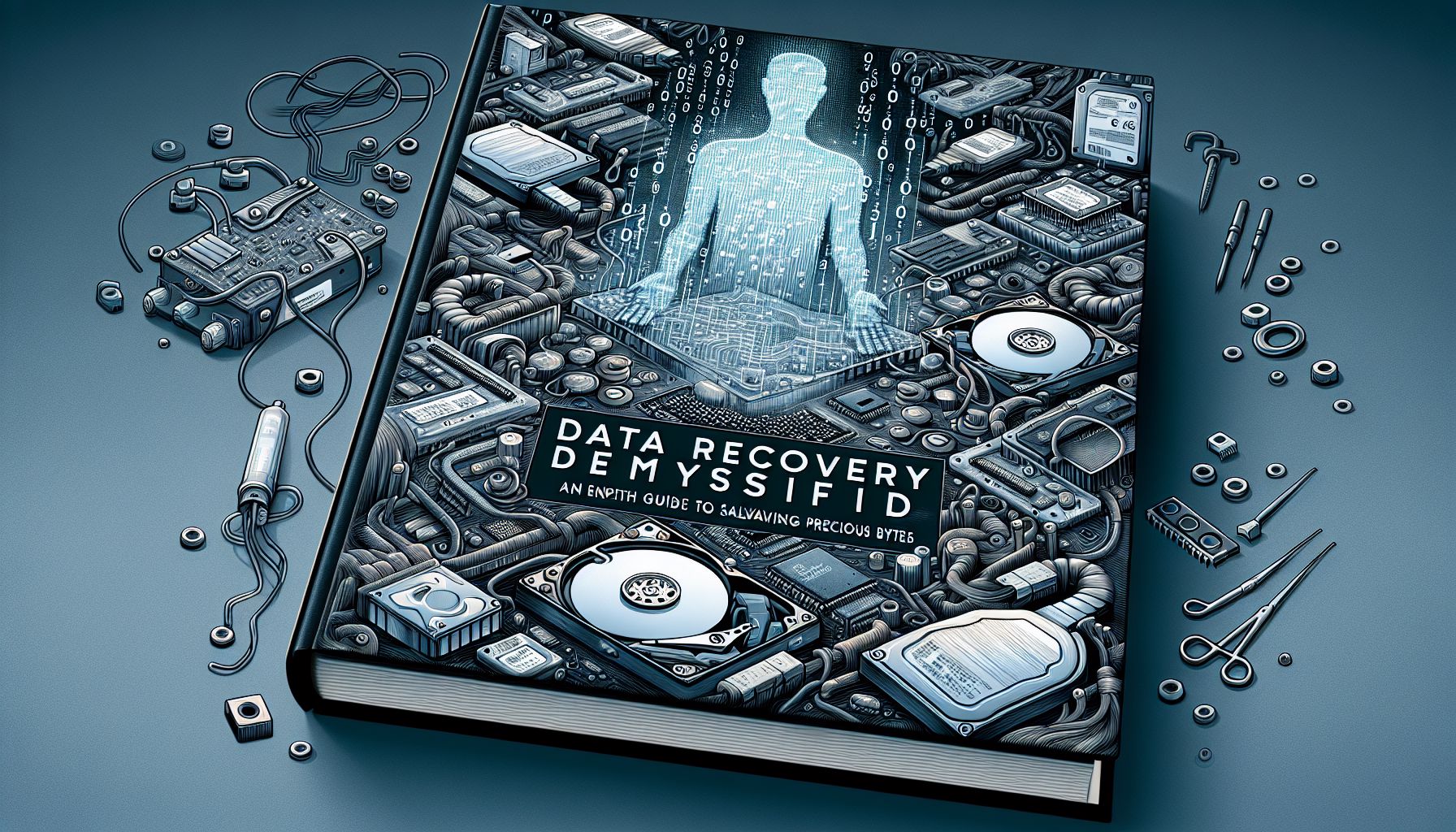
Picture this: a company server grinds to a halt on a Monday morning. Decades of client records, financial reports, and project files vanish into the digital void. Panic spreads, emails flood in, and every IT professional in the room feels the same chill. Is it gone forever?
This is the story of data recovery, a process that often feels like digital archaeology. It’s not just about undoing a mistake or rescuing a lost document. It’s about understanding how information is stored, what happens when things go wrong, and how technology can breathe life back into what seemed permanently erased.
The Fragile Life of Data
Data doesn’t disappear in one dramatic moment. It fades, it corrodes, it gets misplaced in the invisible filing cabinets of your devices. Loss can come from obvious disasters like a dropped laptop or a burned-out hard drive, but more often it creeps in silently: corrupted files, failing memory sectors, or ransomware locking your screens.
Every file you save lives on a medium that has a limit, magnetic platters in hard drives, flash memory cells in SSDs, or delicate chips in USB devices. Over time, those storage units degrade. A sudden surge of power, a drop of water, or a single command typed too quickly can set off a chain reaction that leaves your data stranded.
Why Recovery Is Possible
Here’s the fascinating part: most “lost” files are still there, at least for a while. Think of data like ink on a page, where the title is erased but the words remain faintly visible. Your system may mark the space as empty, but until new information is written over it, recovery software can scan, identify, and stitch those fragments back together.
This window of opportunity doesn’t last long, which is why acting fast after data loss makes all the difference.
Techniques That Bring Data Back
The methods behind recovery depend on the nature of the damage. For example:
- Logical Recovery: When files are corrupted, deleted, or hidden due to system errors, specialized software can rebuild the file structure and restore access.
- Physical Recovery: When the storage medium itself is damaged, say, a drive motor failure or burnt circuitry, experts in clean labs physically extract the platters or chips and rebuild them enough to retrieve the contents.
Some cases require both, especially when malware has not only destroyed data but also corrupted the hardware’s firmware.
When to Trust the Experts
There’s a common temptation to “try everything” yourself when data goes missing, but this can sometimes make the situation worse. Running repeated scans on a failing hard drive can cause further damage. That’s when data recovery companies step in. Using controlled environments, they can bypass damaged components and reconstruct even the most fragile files.
Of course, these services can be costly, but when the data is priceless, financial archives, years of research, or family memories, the investment can be the only option.
A Proactive Approach
No recovery method is guaranteed. Even the best labs in the world can’t promise a full restoration. That’s why prevention remains the strongest strategy. Building habits like automated backups, storing data across multiple mediums, and encrypting sensitive files means you’re never entirely at the mercy of a single failure.
Data recovery isn’t just a technical process. It’s a reminder that our digital lives are more fragile than we often think. Treating data as something worth protecting before disaster strikes ensures you’ll spend less time in recovery and more time moving forward.
Closing Thoughts
The loss of data feels like the end of the world in the moment it happens. But in reality, it’s the beginning of a process that blends science, patience, and careful strategy. From logical fixes to full physical reconstructions, recovery proves that even in the face of apparent ruin, information has a way of surviving.
So the next time you face that dreaded blank screen or hear the ominous clicking of a hard drive, remember this: all may not be lost. And if you pair recovery knowledge with good backup practices, your most valuable digital assets won’t just survive, they’ll endure.