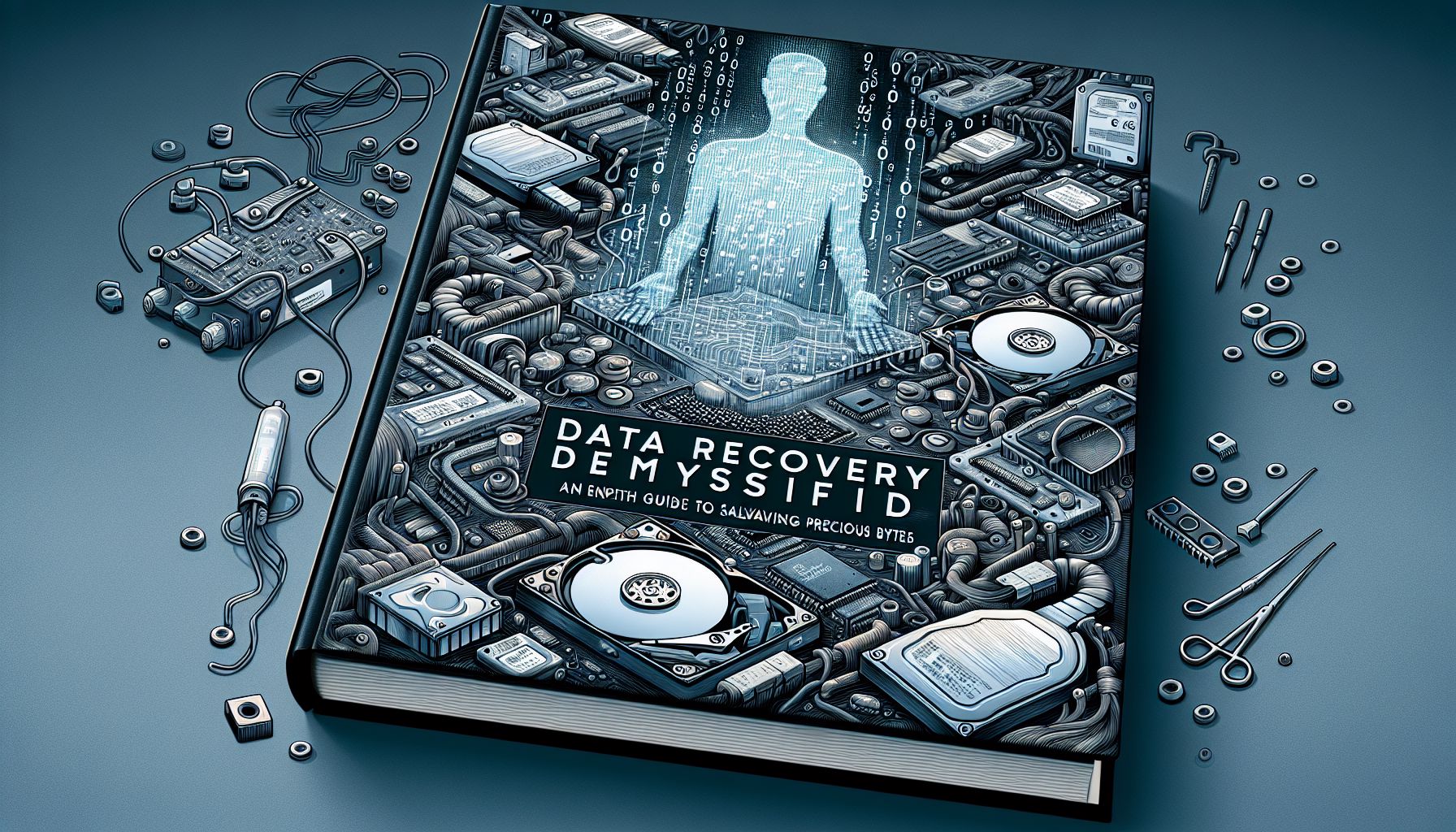
Hello fellow tech lovers, if you are here you probably have lost data in the past or maybe you are in the middle of a data loss crisis right now. Even in the best-case scenario, imagining losing your valuable data can strike fear in your heart. But rest assured! Today, we’re going to dive into the underlying principles of data recovery and give you a transparent What, Why, and How of data retrieval, all in a friendly and easy-to-understand manner.
A Brief Overview of Data Recovery
The term “Data Recovery” is pretty self-explanatory in its essence. It refers to the process of extracting and reinstating data from corrupted, failed, damaged, or inaccessible storage mediums. This can be due to many things like physical damage to the storage device or logical damage to the file system that prevents it from being mounted by the operating system.
In simple words, this magical process of data recovery allows us to retrieve information from our hard drives, SSDs, USBs, etc., when our systems fail to read them due to a broad spectrum of reasons.
The Magical Realm of Lost Data
“But how is it possible?”, you might ask, “How can we retrieve data from a failed drive?”. Well, the magic lies within the way data is stored. When you save a file, it gets written onto your hard drive, its location gets tagged for future access. When you delete a file, you don’t erase the information, you simply remove the tag. The bits and pieces of your file remain on the disk until they get overwritten by different data. This is where our “spell book” for data recovery comes into play.
The Spell Book of Data Recovery
The process of data recovery varies, depending on the type of failure you’re dealing with.
-
Physical Damage – Physical damage can be risky and expensive to recover from. Usually, this requires the assistance of professional data recovery services that can swap out parts in a cleanroom environment to ensure no further damage to your data.
-
Logical Errors – Perhaps, the most common type of failure is logical errors, like accidental deletion, formatting etc. Fortunately, these are much easier to recover from using software tools.
-
Software Corruptions – In the case of software corruption (disk errors, malware attack, etc.), data recovery involves repairing the software or injecting alternative software to help interpret the data correctly.
Wait! Cavalry Before the Storm
While data recovery is quite a hero, it is best to prevent data loss from occurring in the first place. Make sure you regularly backup your data. Frequent backups can do wonders, helping you avoid losing potential work hours and important information. Using RAID and other forms of data redundancy is also recommended for crucial systems. Regular system checkups and smart handling of your equipment can prevent hardware failure.
Conclusion
Data recovery can be a life saver, but it can never be as reliable as a well-maintained, regularly updated backup in case of potential data loss. While knowing the what, why and how of data recovery is empowering, it’s beneficial to rely on professional help when things are out of hand or potentially damaging to data integrity. Always remember, your data is your responsibility, handle it with care.
So, the next time you’re in a bind with lost data, remember not all hope is lost. Between data recovery tools, techniques and practices available, it is often possible to recover much, if not all, of your lost data. Understanding the underlying principles of data recovery doesn’t just demystify this seemingly complex process but perhaps, might even inspire you to explore this field further.